juno.agriosphere@gmail.com

From Pilot to Profit: Scaling Your Vertical Farm

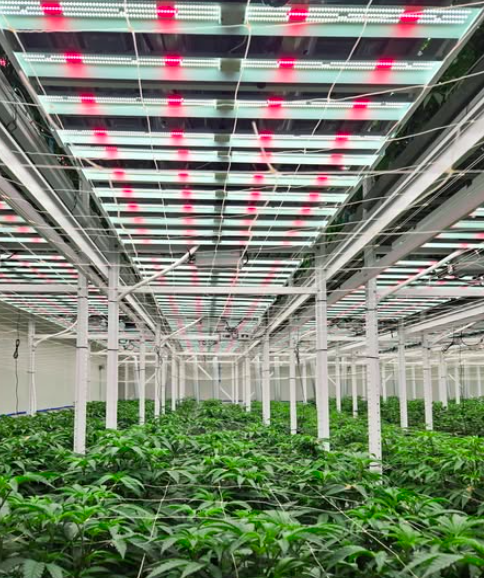
A strategic guide to expanding from pilot phase to profitable commercial operation Introduction: The Leap from Pilot to Profit You’ve proven it works. Your pilot vertical farm is producing consistent yields. You have paying customers. The data looks good. Now comes the hardest part: scaling up. Most vertical farms fail not because the technology doesn’t work, […]

From Pilot to Profit: Scaling Your Vertical Farm Read More »
Seasonal Adjustments for Vertical Farms

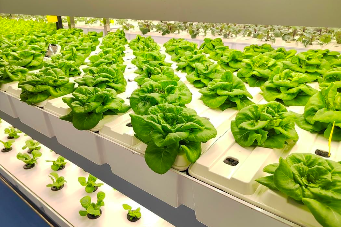
A practical guide to adapting temperature, humidity, light, and nutrients for each season to maintain consistent year-round production Introduction: The Indoor Farm Still Feels the Seasons One of the biggest selling points of vertical farming is year-round, climate-controlled production. But here’s the truth: even the most sophisticated indoor farm isn’t completely immune to seasonal changes. Outside

Seasonal Adjustments for Vertical Farms Read More »

Freshly harvested leafy greens in harvest baskets after post-harvest handling Comparison of leafy greens harvested in early morning crisp vs afternoon wilted showing importance of harvest timing Post-harvest washing and drying flow chart harvest rinse centrifuge dry then package Comparison of packaging types for leafy greens perforated plastic bag clamshell container and modified atmosphere packaging Reference chart showing optimal storage temperatures for lettuce kale basil and microgreens Cold chain management flow chart from harvest to cooling to storage to transport to retail maintaining 0 to 4 degrees Celsius Shelf life extension comparison of lettuce at day 1 day 7 and day 14 showing proper post-harvest handling results

Post-Harvest Handling & Freshness Preservation Techniques for Vertical Farms

A complete guide to harvesting, washing, packaging, and storing crops for maximum shelf life and quality Introduction: The Final Critical Step You’ve invested weeks of careful attention — monitoring EC/pH, adjusting lights, checking for pests. Your crops are perfect. But everything you’ve built can unravel in the final hour. Poor post-harvest handling destroys flavor, reduces

Post-Harvest Handling & Freshness Preservation Techniques for Vertical Farms Read More »

How to Maximize Yield Per Square Meter in Vertical Farming

A practical guide to optimizing planting density, rack design, and crop rotation for higher production in the same footprint Introduction: The Metric That Matters In vertical farming, your most expensive asset is space. Every unused square meter is lost revenue. Every poorly planned rack is wasted potential. Yield per square meter (kg/m²/year) is the single most important

How to Maximize Yield Per Square Meter in Vertical Farming Read More »

Grower inspecting plant leaves with magnifying glass for pest detection in vertical farm IPM program Integrated pest management pyramid showing five levels prevention monitoring identification biological control and chemical last resort Identification guide for five common vertical farm pests aphids spider mites fungus gnats thrips and whiteflies Yellow and blue sticky traps placed above plant canopy for pest monitoring in vertical farm Beneficial insects for biological control predatory mites lacewings ladybugs and rove beetles for vertical farm pest management Plant damage symptoms from pests showing aphid honeydew spider mite webbing and thrips silver streaks on leaves Weekly IPM scouting protocol flowchart showing Monday sticky traps Tuesday counting Wednesday visual inspection Thursday under leaf check Friday beneficial release

Pest Control in Vertical Farms Without Pesticides

A complete guide to prevention, identification, and biological control for clean, chemical-free crops Introduction: Why Pesticide-Free Matters Vertical farming promises clean, safe, local food. But pests don’t care about your promises. Aphids, spider mites, fungus gnats, and thrips will find their way into even the most controlled environments. The good news? You don’t need chemical

Pest Control in Vertical Farms Without Pesticides Read More »

Grower measuring EC and pH of nutrient solution in vertical farm reservoir Infographic comparing EC electrical conductivity and pH acidity alkalinity for hydroponic nutrient management Step by step diagram showing correct nutrient mixing order for hydroponics water then part A then part B then adjust EC then adjust pH pH nutrient availability chart showing optimal range 5.5 to 6.5 for hydroponic nutrient uptake Reference chart showing optimal EC and pH values for lettuce, basil, tomatoes, peppers, and other hydroponic crops Nutrient deficiency symptoms on hydroponic leaves showing nitrogen deficiency iron deficiency and potassium deficiency EC trend interpretation chart showing rising EC meaning add water dropping EC meaning add nutrients and stable EC meaning balanced

Nutrient Management from Beginner to Pro: EC/pH Mastery

A complete guide to mixing, monitoring, and mastering nutrient solutions for maximum crop health and yield Introduction: The Heart of Hydroponic Success In soil, plants can often find what they need. In hydroponic vertical farming, you are the soil. Every nutrient, every mineral, every drop of water passes through your hands. This responsibility comes down to two

Nutrient Management from Beginner to Pro: EC/pH Mastery Read More »

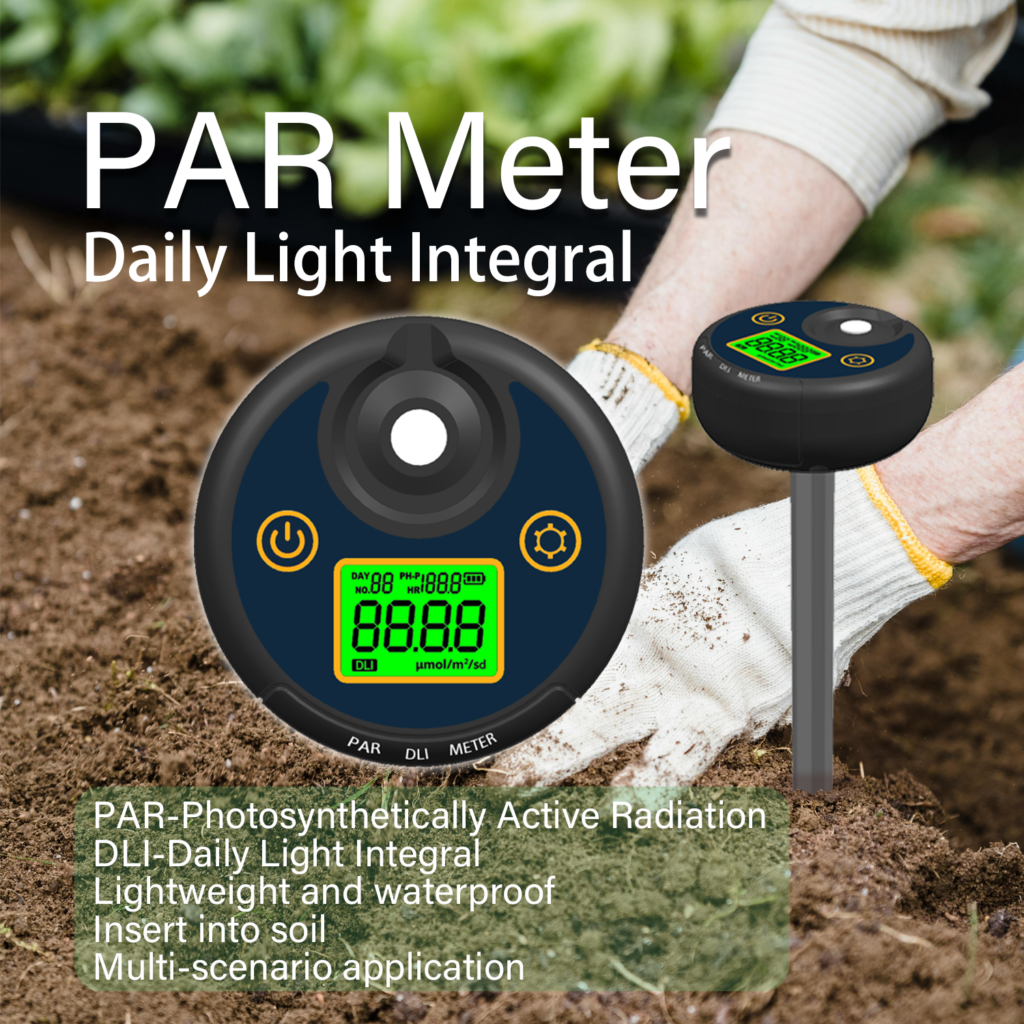
Grower using PAR meter to measure PPFD at plant canopy level in vertical farm Comparison of PPFD vs DLI showing how 200 PPFD for 18 hours equals same DLI as 300 PPFD for 12 hours 9 point PPFD measurement grid diagram showing where to place PAR meter on grow tray DLI calculation formula DLI equals PPFD times hours times 0.0036 with example calculation Reference chart showing optimal PPFD and DLI values for lettuce, basil, tomatoes, peppers, and other vertical farm crops Comparison of plant growth under uniform light distribution vs uneven light with dark corners Diagram showing recommended LED light height above canopy for seedling, vegetative, and flowering growth stages

PPFD & DLI Complete Guide: Measuring and Optimizing Light

Introduction: Light Is Your Most Important Input In vertical farming, light is your most important input. But measuring and optimizing light requires understanding two key metrics: PPFD and DLI. This complete PPFD and DLI guide explains what they mean, how to measure them, and optimal values for 15+ crops. In vertical farming, light is not just an expense — it’s your primary

PPFD & DLI Complete Guide: Measuring and Optimizing Light Read More »

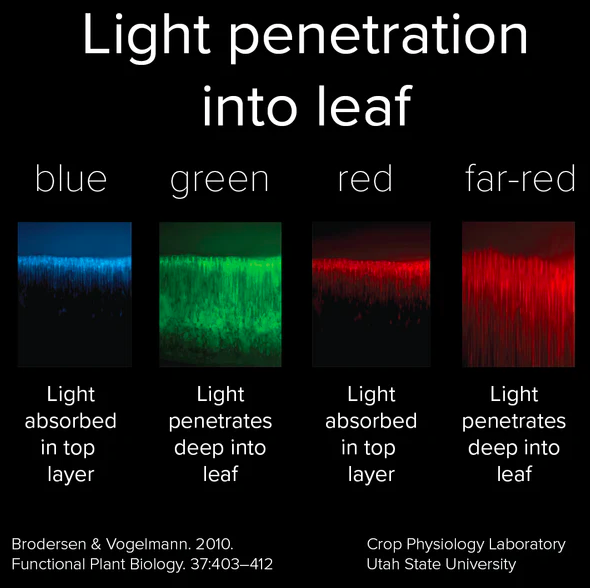
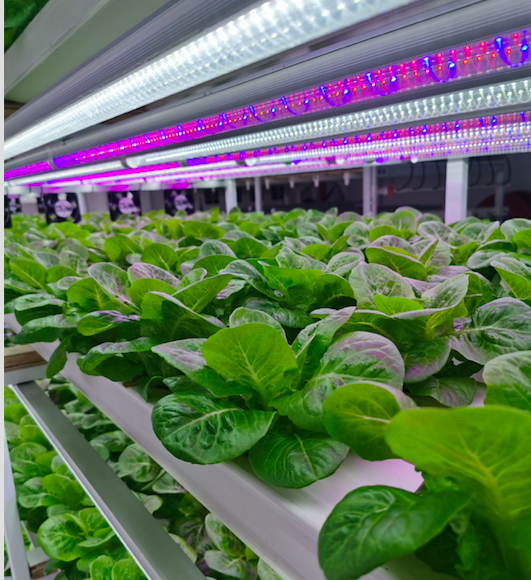
LED spectrum lighting on plants in vertical farm showing red blue and purple wavelengths Photosynthetically active radiation spectrum chart showing wavelengths 400 to 700 nanometers for plant growth Comparison of compact plant growth under blue light versus elongated growth under pure red light Red to blue ratio visual guide showing 3 to 1, 4 to 1, and 5 to 1 ratios for different crops

LED Spectrum Deep Dive: How Light Affects Plant Growth

Introduction: Light Is More Than Just Brightness In vertical farming, light is not just about illumination — it’s the primary energy source driving photosynthesis, growth, and ultimately your harvest. But here’s what many growers miss: different wavelengths of light trigger completely different responses in plants. Blue light tells plants to stay compact. Red light drives photosynthesis

LED Spectrum Deep Dive: How Light Affects Plant Growth Read More »

Common vertical farming mistakes beginners make with unhealthy plants

5 Common Mistakes Beginners Make in Vertical Farming (And How to Avoid Them)

5 Common Mistakes Beginners Make in Vertical Farming (And How to Avoid Them) Learn from others’ errors — skip the learning curve and start growing successfully from day one Introduction: Why Beginners Fail Vertical farming looks simple. Put seeds in water, add lights, wait for harvest. But the reality is more complex. Most beginners make

5 Common Mistakes Beginners Make in Vertical Farming (And How to Avoid Them) Read More »

Vertical farm operator checking plants with daily operations checklist clipboard Daily checklist flow chart for vertical farm operations showing three check times Measuring EC and pH in vertical farm nutrient reservoir for daily monitoring Weekly nutrient solution change and reservoir cleaning in vertical farm Monthly deep cleaning of grow channels and LED lights in vertical farm Printable daily weekly and monthly operations checklist for vertical farm management Emergency response flow chart for troubleshooting vertical farm problems

Vertical Farm Daily Operations Checklist

Vertical Farm Daily Operations Checklist A complete task list for keeping your indoor farm healthy, productive, and profitable Introduction: Why a Checklist Matters In vertical farming, consistency is everything. Missing a single day of pH adjustment or skipping a weekly system check can lead to crop loss, reduced yield, or equipment failure. This checklist breaks

Vertical Farm Daily Operations Checklist Read More »