
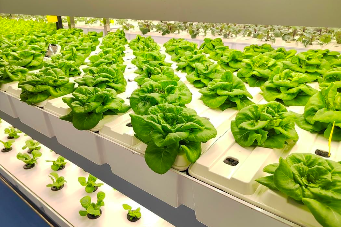
A complete guide to harvesting, washing, packaging, and storing crops for maximum shelf life and quality
Introduction: The Final Critical Step
You’ve invested weeks of careful attention — monitoring EC/pH, adjusting lights, checking for pests. Your crops are perfect.
But everything you’ve built can unravel in the final hour. Poor post-harvest handling destroys flavor, reduces shelf life, and turns premium produce into waste.
In vertical farming, where your value proposition is fresh, local, high-quality produce, post-harvest handling is not an afterthought. It’s a competitive advantage.
This guide covers:
- When and how to harvest for peak quality
- Washing and drying protocols that don’t damage produce
- Packaging that extends shelf life
- Storage conditions for different crop types
- Freshness preservation techniques used by commercial farms
Part 1: Optimal Harvest Timing
The Harvest Window
Harvesting too early = lower yield, underdeveloped flavor.
Harvesting too late = tough texture, reduced shelf life, bitterness.
The sweet spot varies by crop, but general signs include:
| Crop | Harvest Indicator | Days from Seedling |
|---|---|---|
| Lettuce (whole head) | 10-15cm tall, 5-8 leaves | 25-30 |
| Lettuce (baby leaf) | 8-12cm tall | 18-22 |
| Kale | 15-20cm tall, 6-10 leaves | 28-35 |
| Spinach | 8-12cm tall | 25-30 |
| Basil | 10-15cm tall, harvest before flowering | 30-35 |
| Cilantro | 10-15cm tall | 25-30 |
| Pak choi | 12-18cm tall | 25-30 |
| Microgreens | 5-10cm tall, first true leaves emerging | 10-14 |
Time of Day Matters
| Harvest Time | Quality Impact | Shelf Life Impact |
|---|---|---|
| Early morning (just after lights on) | Highest turgor pressure, crispest | Best |
| Mid-day | Some water loss, slightly wilted | Reduced |
| End of light cycle | Plants stressed, lower sugar content | Reduced |
Recommendation: Harvest within the first 2-3 hours of the light cycle. Plants are fully hydrated and at peak crispness.
Visual Readiness Checklist
Before harvesting any crop, verify:
- Color is uniform and variety-appropriate
- No yellowing or browning
- No pest damage or spots
- Texture is firm (not soft or limp)
- Size meets market specifications
- Harvested within 24 hours of delivery commitment
Delaying Harvest
If you need to delay harvest by 1-3 days:
| Action | Effect |
|---|---|
| Reduce temperature by 2-3°C | Slows growth, preserves quality |
| Reduce light intensity by 20-30% | Slows maturation |
| Lower EC slightly | Preuces tip burn risk |
Do not delay beyond 3 days — quality degrades rapidly.
Part 2: Harvesting Techniques
Tools You Need
| Tool | Purpose | Sanitation |
|---|---|---|
| Sharp harvest knife or scissors | Clean cut, minimal damage | Sanitize between crops |
| Harvest bins or totes | Collect produce | Food-grade, washable |
| Gloves | Prevent contamination | Single-use or sanitized |
| Cooling station | Rapid temperature reduction | Clean surface |
Cutting Techniques by Crop Type
Whole head harvest (lettuce, pak choi, kale):
- Hold plant at base
- Cut just above growing medium (1-2cm above)
- Remove any yellow or damaged outer leaves
- Place gently in harvest bin — do not stack more than 3 layers deep
Cut-and-come-again (kale, chard, some herbs):
- Harvest outer leaves only
- Cut leaves 2-3cm from base
- Leave central growing point intact
- Return plant to growing system for second harvest
Baby leaf harvest (lettuce, spinach, arugula):
- Cut entire plant 1-2cm above medium
- Harvest at 8-12cm height
- Whole plant is used
Microgreens harvest:
- Cut just above growing medium (0.5-1cm)
- Use sharp scissors or knife
- Harvest entire tray at once
Herbs (basil, cilantro, mint):
- Cut stems 5-10cm from tip
- Leave lower leaves for regrowth
- Harvest before flowering
Minimizing Damage During Harvest
| Do | Don’t |
|---|---|
| Use sharp, clean tools | Use dull tools (crushes stems) |
| Handle leaves by stems | Squeeze or pinch leaves |
| Place gently in bins | Drop or throw produce |
| Harvest into shallow bins | Overfill bins (crushes bottom layer) |
| Work quickly but carefully | Rush and damage leaves |
Field Heat
Immediately after harvest, produce continues to respire, releasing heat and moisture. This field heat accelerates spoilage.
Critical rule: Reduce temperature within 30 minutes of harvest.
| Cooling Method | Speed | Best For |
|---|---|---|
| Forced-air cooling | Fast (15-30 min) | Leafy greens, herbs |
| Hydrocooling (cold water) | Fast (10-20 min) | Durable greens |
| Vacuum cooling | Very fast (5-15 min) | Large operations |
| Passive cooling (cold room) | Slow (2-4 hours) | Small farms |
Part 3: Washing and Sanitizing
To Wash or Not to Wash?
| Crop | Wash? | Reason |
|---|---|---|
| Hydroponic leafy greens | Light rinse | Removes nutrient residue |
| Herbs | No | Damages leaves, reduces shelf life |
| Microgreens | No (if clean) | Delicate, short shelf life |
| Root crops | Yes | Removes growing medium |
General rule: If your growing system is clean and roots are white, minimal washing is needed. Excess moisture is the enemy of shelf life.
Washing Protocol (When Needed)
Step 1: Prepare sanitizing solution
- Cold water (4-10°C)
- Optional: 50-100ppm chlorine or food-grade hydrogen peroxide
- Never use soap or detergents
Step 2: Submerge or spray
- Dip for 30-60 seconds
- Gently agitate
- Do not soak — leaves absorb water
Step 3: Rinse
- Clean, cold water
- Removes sanitizer residue
Step 4: Dry
- Salad spinner or centrifuge dryer
- Or gentle shaking and air drying
- Critical: Produce must be dry before packaging
Drying Methods
| Method | Time | Effectiveness | Best For |
|---|---|---|---|
| Salad spinner | 1-2 minutes | Good | Small batches |
| Centrifuge dryer | 30-60 seconds | Excellent | Commercial |
| Air drying (rack) | 30-60 minutes | Poor (slow) | Low-volume herbs |
| Absorbent pads | Passive | Fair | In-package moisture control |
Moisture target: No visible water droplets. Leaves should feel dry to touch.
Sanitation Schedule
| Item | Frequency | Method |
|---|---|---|
| Harvest knives/scissors | Between each crop | 70% alcohol or sanitizer |
| Harvest bins | Daily | Hot water + food-safe sanitizer |
| Washing station | Daily | Clean and sanitize surfaces |
| Drying equipment | Weekly | Disassemble, clean, sanitize |
| Cold room surfaces | Weekly | Wipe down with sanitizer |
Part 4: Packaging for Freshness
Packaging Goals
| Goal | How to Achieve |
|---|---|
| Maintain humidity | Sealed or semi-sealed packaging |
| Allow respiration | Perforated films or breathable materials |
| Prevent crushing | Rigid containers or clamshells |
| Block light | Opaque or colored packaging (for some crops) |
| Extend shelf life | Modified atmosphere packaging (MAP) |
Packaging Types by Crop
| Crop | Recommended Packaging | Why |
|---|---|---|
| Lettuce (whole head) | Perforated plastic bag | Allows respiration, maintains humidity |
| Baby greens | Clamshell container | Prevents crushing, stackable |
| Herbs | Plastic bag with moisture pad | Absorbs excess moisture |
| Microgreens | Clamshell with breathing holes | Delicate, short shelf life |
| Basil | Plastic bag at room temperature (do not refrigerate) | Cold sensitive |
| Kale | Perforated bag | Durable, longer shelf life |
Modified Atmosphere Packaging (MAP)
MAP replaces the air inside packaging with a specific gas mixture to slow respiration and spoilage.
| Gas | Typical % | Effect |
|---|---|---|
| Nitrogen (N₂) | 70-80% | Inert filler, prevents crushing |
| Oxygen (O₂) | 5-10% | Allows slow respiration |
| Carbon dioxide (CO₂) | 10-15% | Suppresses mold and bacteria |
Note: MAP requires specialized equipment. Most small farms start with perforated bags.
Packaging Best Practices
| Do | Don’t |
|---|---|
| Package as soon as produce is dry | Leave produce unpackaged for hours |
| Use appropriate size container | Oversized or undersized packages |
| Label with harvest date | Skip date labeling |
| Stack packages carefully | Stack too high (crushes bottom) |
| Keep packaging materials clean | Reuse single-use containers |
Label Requirements
| Information | Required? | Example |
|---|---|---|
| Product name | Yes | “Baby Lettuce Mix” |
| Harvest date | Yes | “04/20/2026” |
| Best by date | Yes | “04/25/2026” |
| Farm name | Yes | “Agriosphere” |
| Country of origin | Yes (for commercial) | “Grown in USA” |
| Net weight | Yes (for commercial) | “142g” |
| Storage instructions | Recommended | “Keep refrigerated at 4°C” |
| Barcode | For retail | UPC code |
Part 5: Storage Conditions
Temperature by Crop
| Crop | Optimal Temp (°C) | Optimal Temp (°F) | Sensitivity |
|---|---|---|---|
| Lettuce | 0-2°C | 32-36°F | High — freeze sensitive |
| Kale | 0-2°C | 32-36°F | Moderate |
| Spinach | 0-2°C | 32-36°F | High |
| Arugula | 0-2°C | 32-36°F | High |
| Cilantro | 0-2°C | 32-36°F | High |
| Mint | 0-2°C | 32-36°F | Moderate |
| Parsley | 0-2°C | 32-36°F | Moderate |
| Basil | 10-12°C | 50-54°F | Do not refrigerate |
| Microgreens | 2-4°C | 36-40°F | High |
| Pak choi | 0-2°C | 32-36°F | Moderate |
Critical note: Basil is cold-sensitive. Refrigeration causes black spots and rapid decay. Store at room temperature (10-12°C).
Humidity by Crop
| Crop | Optimal RH (%) | Too Dry | Too Wet |
|---|---|---|---|
| Lettuce | 95-100% | Wilting | Rot |
| Kale | 90-95% | Wilting | Rot |
| Herbs | 85-95% | Wilting | Mold |
| Microgreens | 90-95% | Wilting | Rot |
Cold Room Setup
| Parameter | Target | Why |
|---|---|---|
| Temperature | 0-4°C (except basil) | Slows respiration |
| Humidity | 85-95% | Prevents wilting |
| Air circulation | Gentle, continuous | Prevents hot spots |
| Light | Dark | Light degrades some nutrients |
Avoiding Common Storage Mistakes
| Mistake | Consequence | Solution |
|---|---|---|
| Storing basil in refrigerator | Black spots, decay | Store at 10-12°C |
| Overcrowding cold room | Poor air circulation, hot spots | Leave space between pallets |
| Wet produce before storage | Rot, mold | Dry thoroughly |
| Temperature fluctuations | Condensation, decay | Maintain consistent temp |
| Ethylene exposure | Yellowing, spoilage | Separate from fruit |
Ethylene Sensitivity
Ethylene is a ripening gas produced by some fruits and vegetables.
Ethylene producers (keep separate):
- Apples
- Bananas
- Tomatoes
- Avocados
Ethylene-sensitive crops (damaged by exposure):
- Lettuce (yellowing)
- Kale (yellowing)
- Spinach (yellowing)
- Herbs (decay)
Rule: Never store leafy greens in the same cold room as fruit.
Part 6: Shelf Life Expectations
Expected Shelf Life by Crop
| Crop | Poor (<) | Good | Excellent (>) |
|---|---|---|---|
| Lettuce (whole head) | 7 days | 10-14 days | 18 days |
| Baby greens | 5 days | 7-10 days | 14 days |
| Kale | 10 days | 14-21 days | 28 days |
| Spinach | 5 days | 7-10 days | 14 days |
| Basil | 3 days | 5-7 days | 10 days |
| Cilantro | 5 days | 7-10 days | 14 days |
| Mint | 7 days | 10-14 days | 18 days |
| Microgreens | 5 days | 7-10 days | 14 days |
| Pak choi | 7 days | 10-14 days | 18 days |
Factors That Reduce Shelf Life
| Factor | Impact | Prevention |
|---|---|---|
| Harvest at wrong maturity | -30-50% | Follow harvest indicators |
| Delayed cooling | -40-60% | Cool within 30 minutes |
| Excess moisture | -50-70% | Dry thoroughly |
| Poor sanitation | -30-50% | Clean tools, surfaces |
| Temperature abuse | -40-60% | Maintain cold chain |
| Physical damage | -20-40% | Gentle handling |
| Ethylene exposure | -30-50% | Separate from fruit |
Part 7: Freshness Preservation Techniques
Technique 1: Rapid Cooling
The faster you cool produce after harvest, the longer it lasts.
| Time to Cool | Expected Shelf Life |
|---|---|
| Within 15 minutes | Maximum |
| Within 30 minutes | Good |
| Within 1 hour | Reduced by 20-30% |
| Within 2 hours | Reduced by 40-50% |
| >2 hours | Severe reduction |
Technique 2: Moisture Control
Excess moisture is the #1 cause of post-harvest decay.
Methods:
- Salad spinner or centrifuge dryer
- Absorbent pads in packaging
- Perforated packaging for ventilation
- Keep cold room humidity at 85-95% (not 100%)
Technique 3: Temperature Management
The cold chain must be unbroken:
| Stage | Temperature | Duration |
|---|---|---|
| Harvest | As cool as possible | <30 minutes |
| Cooling | 0-4°C | <60 minutes |
| Storage | 0-4°C | Continuous |
| Transport | 0-4°C | Continuous |
| Retail display | 0-4°C | Continuous |
Every break in the cold chain reduces shelf life by 20-50%.
Technique 4: Sanitation
Clean everything that touches produce:
- Growing system (between cycles)
- Harvest tools (between crops)
- Harvest bins (daily)
- Washing station (daily)
- Packaging equipment (weekly)
- Cold room surfaces (weekly)
Technique 5: Atmosphere Control
For extended shelf life (5-7+ days), consider:
- Perforated bags: Allows oxygen in, carbon dioxide out
- Moisture pads: Absorbs excess water
- Breathable films: Balances humidity and gas exchange
- MAP (Modified Atmosphere Packaging): For commercial distribution
Technique 6: Harvest Scheduling
Harvest to match demand, not to fill storage.
| Strategy | Benefit |
|---|---|
| Harvest daily | Freshest product, less storage time |
| Harvest to order | Zero storage, maximum shelf life for customer |
| Staggered planting | Continuous harvest, no surplus |
| Smaller, more frequent harvests | Less handling, less damage |
Part 8: Transport and Distribution
Transport Temperature Requirements
| Crop Type | Transport Temp | Max Duration |
|---|---|---|
| Leafy greens | 0-4°C | 24-48 hours |
| Herbs (except basil) | 0-4°C | 24-48 hours |
| Basil | 10-12°C | 24 hours |
| Microgreens | 2-4°C | 24 hours |
Transport Best Practices
| Practice | Why |
|---|---|
| Pre-cool transport vehicle | Prevents temperature shock |
| Use insulated containers | Maintains temperature |
| Stack packages with air gaps | Allows cold air circulation |
| Monitor temperature during transport | Verify cold chain |
| Minimize transit time | Fresher product upon arrival |
| Train delivery drivers | Proper handling |
Local Delivery vs. Shipping
| Factor | Local Delivery | Shipping |
|---|---|---|
| Time | 1-4 hours | 24-48 hours |
| Temperature control | Cooler bags or refrigerated vehicle | Insulated boxes with ice packs |
| Packaging | Standard clamshells | Insulated liners, gel packs |
| Shelf life upon arrival | 5-7 days | 3-5 days |
| Cost per order | $5-15 | $15-30 |
Part 9: Quality Control and Grading
Quality Grades
| Grade | Definition | Use |
|---|---|---|
| Premium | Perfect appearance, no defects, uniform size | Chefs, high-end retail |
| Standard | Minor cosmetic defects, still high quality | Retail, food service |
| Processing | Blemishes, irregular size, still edible | Juices, smoothies, prepared foods |
| Waste | Spoiled, damaged, unsafe | Compost |
Quality Checklist
Before packaging, inspect each batch:
- Color: Uniform, variety-appropriate
- Texture: Firm, crisp (not limp or soft)
- Leaves: No yellowing, browning, or spots
- No pest damage
- No mechanical damage (tears, crushing)
- Roots: White (if included), no browning
- Smell: Fresh, no off-odors
- Moisture: Dry surface, no droplets
Quality Control Log
| Batch # | Crop | Harvest Date | Grade | Pass/Fail | Inspector |
|---|---|---|---|---|---|
Part 10: Waste Reduction
Common Causes of Post-Harvest Waste
| Cause | % of Waste | Prevention |
|---|---|---|
| Improper temperature | 25-30% | Maintain cold chain |
| Excess moisture | 20-25% | Dry thoroughly |
| Physical damage | 15-20% | Gentle handling |
| Delayed processing | 10-15% | Cool within 30 minutes |
| Ethylene exposure | 5-10% | Separate from fruit |
| Other | 10-15% | Multiple factors |
Using Imperfect Produce
| Option | Description | Profitability |
|---|---|---|
| Processing | Juices, smoothies, pesto, sauces | Medium |
| Value-added | Salad kits, herb blends | High |
| Discount sales | “Imperfect” boxes | Low but reduces waste |
| Donation | Food banks, shelters | Tax deduction |
| Compost | Closed-loop nutrient recycling | Zero revenue but sustainable |
Shelf Life Extension Comparison
| Technique | Shelf Life Increase | Cost | Complexity |
|---|---|---|---|
| Rapid cooling | +40-60% | Low | Low |
| Proper packaging | +30-50% | Low | Low |
| MAP | +50-100% | Medium | Medium |
| Moisture control | +30-40% | Low | Low |
| Sanitation | +20-30% | Low | Low |
| All combined | +100-200% | Medium | Medium |
Part 11: Common Post-Harvest Mistakes
Mistake 1: Harvesting at the Wrong Time
Problem: Over-mature produce has shorter shelf life and poorer flavor.
Solution: Use harvest indicators. Train staff on readiness signs.
Mistake 2: Delayed Cooling
Problem: Field heat continues respiration, consuming sugars and moisture.
Solution: Cool within 30 minutes of harvest. Have cooling ready before harvesting.
Mistake 3: Overwashing
Problem: Excess moisture leads to rot. Submerged leaves absorb water.
Solution: Wash only when necessary. Dry thoroughly. Use minimal water contact.
Mistake 4: Improper Packaging
Problem: Airtight packaging causes condensation and decay. Overfilled packages crush produce.
Solution: Use appropriate packaging for each crop. Leave some air space.
Mistake 5: Temperature Abuse
Problem: Basil in refrigerator. Leafy greens at room temperature.
Solution: Know optimal storage for each crop. Train staff. Label storage areas.
Mistake 6: No Cold Chain Monitoring
Problem: You assume temperature is correct but haven’t verified.
Solution: Use temperature data loggers. Check daily. Calibrate sensors.
Part 12: Quick Reference Cards
Harvest Timing Card
| Crop | Height | Days | Indicator |
|---|---|---|---|
| Lettuce | 10-15cm | 25-30 | 5-8 leaves |
| Kale | 15-20cm | 28-35 | 6-10 leaves |
| Basil | 10-15cm | 30-35 | Before flowering |
| Microgreens | 5-10cm | 10-14 | First true leaves |
Storage Conditions Card
| Crop | Temp (°C) | Humidity | Special |
|---|---|---|---|
| Lettuce | 0-2 | 95-100% | — |
| Kale | 0-2 | 90-95% | — |
| Basil | 10-12 | 85-90% | No refrigeration |
| Microgreens | 2-4 | 90-95% | Delicate |
Shelf Life Targets Card
| Crop | Good | Excellent |
|---|---|---|
| Lettuce | 10 days | 14 days |
| Kale | 14 days | 21 days |
| Basil | 5 days | 7 days |
| Microgreens | 7 days | 10 days |
Summary: The 7 Rules of Post-Harvest Success
- Harvest at the right time — Not too early, not too late
- Cool within 30 minutes — Field heat is the enemy
- Dry thoroughly — Moisture causes rot
- Package appropriately — Match package to crop
- Maintain cold chain — Every break reduces shelf life
- Sanitize everything — Clean tools, surfaces, hands
- Train your team — Consistency is everything
Next Steps
Ready to optimize your post-harvest process?
- Read our Daily Operations Checklist for harvest scheduling
- Read our Yield Optimization Guide for production planning
- Contact us for customized post-harvest protocols for your crops