
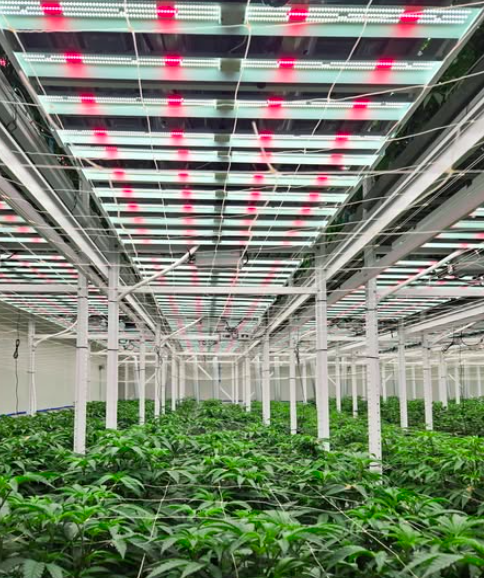
Vertical Farm Daily Operations Checklist
A complete task list for keeping your indoor farm healthy, productive, and profitable
Introduction: Why a Checklist Matters
In vertical farming, consistency is everything. Missing a single day of pH adjustment or skipping a weekly system check can lead to crop loss, reduced yield, or equipment failure.
This checklist breaks down every task you need to run a healthy farm — daily, weekly, and monthly. Use it as a template and customize it for your specific setup.
Part 1: Daily Tasks (Every Day)
These tasks take 15-30 minutes total but prevent 90% of common problems.
Morning Check (Start of Light Cycle)
| Task | What to Check | Action if Issue Found |
|---|---|---|
| Lights turn on | Confirm all LED fixtures are on at scheduled time | Check timer, replace faulty drivers |
| Water circulation | Pumps running, water flowing through all channels | Clean pump intake, check for blockages |
| Air circulation | Fans operating, no dead air zones | Adjust fan position, clean fan blades |
| Temperature | 20-24°C (depending on crop stage) | Adjust HVAC or heaters |
| Humidity | 55-75% (depending on crop stage) | Adjust humidifier/dehumidifier |
Mid-Day Check (During Light Cycle)
| Task | What to Check | Action if Issue Found |
|---|---|---|
| Visual plant inspection | Look for yellowing, wilting, spots, pests | Isolate affected plants, adjust nutrients |
| Water level | Reservoir above minimum line | Top up with pH-adjusted water |
| EC reading | Compare to target (1.2-2.0 depending on crop) | Add nutrients if low, dilute if high |
| pH reading | Target 5.5-6.5 | Add pH up or down as needed |
| Leaks | Check connections, channels, pipes | Tighten fittings, replace damaged parts |
Afternoon Check (End of Light Cycle)
| Task | What to Check | Action if Issue Found |
|---|---|---|
| Lights turn off | Confirm lights shut off on schedule | Check timer settings |
| Temperature drop | Night temp should be 2-4°C cooler | Adjust if needed |
| Log data | Record EC, pH, temp, humidity in logbook | Compare to previous days |
| Clean work area | Wipe spills, organize tools | Prevents pests and accidents |
Daily Log Template
| Date | Time | EC | pH | Temp (°C) | Humidity (%) | Water Level | Notes |
|---|---|---|---|---|---|---|---|
Part 2: Weekly Tasks (Every 7 Days)
Set aside 1-2 hours each week for deeper maintenance.
Nutrient Management
| Task | How to Do It | Why It Matters |
|---|---|---|
| Change nutrient solution | Drain reservoir completely, mix fresh | Prevents salt buildup and pathogen growth |
| Clean reservoir | Wipe down with mild disinfectant, rinse well | Removes biofilm and algae |
| Calibrate EC meter | Use calibration solution (usually 1.413 mS/cm or 2.77 mS/cm) | Ensures accurate readings |
| Calibrate pH meter | Use pH 4.0 and 7.0 calibration solutions | Prevents incorrect pH adjustments |
System Inspection
| Task | What to Look For | Action |
|---|---|---|
| Check all pipes and fittings | Cracks, leaks, mineral buildup | Replace or clean |
| Inspect pump intake | Debris, root material blocking | Clean intake screen |
| Check air stones (if used) | Reduced bubbles, clogged pores | Clean with brush or replace |
| Inspect grow channels | Algae buildup, root blockages | Clean channels, clear blockages |
Plant Health
| Task | What to Look For | Action |
|---|---|---|
| Remove dead leaves | Yellow or brown leaves at base | Cut cleanly, remove from system |
| Check root color | White = healthy, brown = problem | If brown, consider adding beneficial bacteria |
| Measure plant height | Compare to growth targets | Adjust light or nutrients if off track |
| Thin crowded plants | Leaves touching excessively | Remove smaller plants to give space |
Part 3: Monthly Tasks (Every 30 Days)
Set aside 3-4 hours for comprehensive maintenance.
Deep Cleaning
| Task | How to Do It | Frequency |
|---|---|---|
| Full system flush | Run cleaning solution (hydrogen peroxide or commercial cleaner) through entire system | Monthly |
| Disinfect grow channels | Remove from system, scrub with brush and disinfectant | Monthly |
| Clean LED lights | Wipe dust off fixtures and lenses | Monthly |
| Clean fans and filters | Remove dust from blades and intake filters | Monthly |
| Clean work surfaces and floors | Mop with disinfectant | Weekly to Monthly |
Equipment Calibration
| Equipment | Calibration Frequency | How to Calibrate |
|---|---|---|
| EC meter | Monthly | Use calibration solution |
| pH meter | Monthly | Use pH 4.0 and 7.0 solutions |
| Temperature sensor | Every 3 months | Compare to reference thermometer |
| Humidity sensor | Every 3 months | Use salt test or compare to reference |
| Light meter (PAR) | Every 6 months | Compare to known reference |
Crop Management
| Task | What to Track | Action |
|---|---|---|
| Harvest yield | Weight per square meter | Compare to previous months |
| Crop cycle time | Days from seed to harvest | Look for trends (longer cycles = problems) |
| Pest history | What pests, where, how treated | Adjust prevention strategy |
| Nutrient usage | Liters or gallons per week | Look for changes indicating leaks or waste |
| Electricity usage | kWh per week | Calculate cost per harvest |
Inventory Check
| Item | What to Check | Reorder When |
|---|---|---|
| Nutrient A/B/C | Amount remaining | Below 25% |
| pH up/down | Amount remaining | Below 25% |
| Seeds | Quantity by variety | Below 2 cycles worth |
| Growing medium | Cubes or plugs remaining | Below 1 cycle worth |
| Cleaning supplies | Disinfectant, brushes, gloves | Running low |
| Replacement parts | Pump impellers, tubing, fittings | Stock critical items |
Part 4: Seasonal / Quarterly Tasks (Every 3 Months)
Set aside a full day for major maintenance.
Deep System Overhaul
| Task | Details |
|---|---|
| Replace pump impellers | Wear item, replace preventatively |
| Replace air stones | Clogged stones reduce oxygen |
| Inspect and replace worn tubing | Cracks lead to leaks |
| Deep clean reservoir | Remove scale and mineral deposits |
| Test backup systems | Pumps, timers, generators |
Environmental System Check
| Task | Details |
|---|---|
| HVAC filter replacement | Dirty filters reduce efficiency |
| Check dehumidifier drain | Clogs cause flooding |
| Test all sensors | Replace any that are drifting |
| Review alarm settings | Ensure alerts are working |
Review and Plan
| Task | What to Review |
|---|---|
| Crop performance | Which varieties performed best? |
| Cost analysis | Electricity, nutrients, labor per harvest |
| Equipment upgrades | What would improve efficiency? |
| Staff training | Any new procedures to teach? |
| Next quarter goals | Yield targets, new crops to try |
Part 5: Printable Daily Checklist
Copy this table and post it in your grow room.
Daily Operations Checklist
| Time | Task | Done |
|---|---|---|
| Start of light cycle | ||
| □ | Lights turned on | |
| □ | Pumps circulating | |
| □ | Fans running | |
| □ | Temperature checked (target: __°C) | |
| □ | Humidity checked (target: __%) | |
| Mid-day | ||
| □ | Visual plant inspection | |
| □ | Water level checked | |
| □ | EC measured (target: __) | |
| □ | pH measured (target: __) | |
| □ | Leaks checked | |
| End of light cycle | ||
| □ | Lights turned off | |
| □ | Data logged | |
| □ | Work area cleaned | |
| Any time | ||
| □ | Pests spotted and treated | |
| □ | Dead leaves removed |
Part 6: Weekly Checklist (Printable)
| Task | Day | Done |
|---|---|---|
| Change nutrient solution | _____ | □ |
| Clean reservoir | _____ | □ |
| Calibrate EC meter | _____ | □ |
| Calibrate pH meter | _____ | □ |
| Inspect pipes and fittings | _____ | □ |
| Clean pump intake | _____ | □ |
| Remove dead leaves | _____ | □ |
| Check root color | _____ | □ |
| Measure plant height | _____ | □ |
Part 7: Monthly Checklist (Printable)
| Task | Done |
|---|---|
| Full system flush with cleaning solution | □ |
| Disinfect grow channels | □ |
| Clean LED light fixtures | □ |
| Clean fans and filters | □ |
| Calibrate all sensors | □ |
| Record harvest yield | □ |
| Record crop cycle time | □ |
| Review nutrient usage | □ |
| Review electricity usage | □ |
| Check inventory levels | □ |
Part 8: Emergency Response Checklist
When something goes wrong, follow this flow:
Problem: Pump Failure
| Step | Action |
|---|---|
| 1 | Check power source (plug, breaker) |
| 2 | Check pump intake for blockage |
| 3 | Check impeller for damage |
| 4 | Swap with backup pump if available |
| 5 | Order replacement immediately |
Problem: pH Crash or Spike
| Step | Action |
|---|---|
| 1 | Re-calibrate pH meter |
| 2 | Test again with fresh sample |
| 3 | Add pH up or down slowly (wait 10 minutes between additions) |
| 4 | Test again |
| 5 | If unstable, change nutrient solution |
Problem: Widespread Plant Wilting
| Step | Action |
|---|---|
| 1 | Check pump is running |
| 2 | Check water level |
| 3 | Check root color (brown = root rot) |
| 4 | Check EC (too high = salt stress) |
| 5 | Check temperature (too high = heat stress) |
| 6 | Take photos, log data, consult expert |
Problem: Pest Outbreak
| Step | Action |
|---|---|
| 1 | Identify pest (aphids, spider mites, fungus gnats) |
| 2 | Isolate affected plants if possible |
| 3 | Apply appropriate treatment (neem oil, beneficial insects, sticky traps) |
| 4 | Increase monitoring frequency |
| 5 | Review sanitation procedures |
Summary: The 3 Golden Rules of Farm Operations
- Never skip daily checks — 15 minutes of prevention saves hours of recovery
- Log everything — Data helps you spot problems before they become crises
- Keep backups — Extra pump, sensors, and nutrients keep you running when things fail
Downloadable Resources
Printable checkboxes to download:
- Daily Checklist (PDF)
- Weekly Checklist (PDF)
- Monthly Checklist (PDF)
- Emergency Response Card (PDF)
(You can create these PDFs and link them here)
Next Steps
- Read our Nutrient Management Guide for detailed EC/pH strategies
- Read our PPFD/DLI Complete Guide for light optimization
- Download the printable checklists above